Charting Credit Growth Patterns Among Roulette Participants Using Layered Bonus Pathways
Written by Sofia Franke · Oct 11, 2026
Charting Credit Growth Patterns Among Roulette Participants Using Layered Bonus Pathways
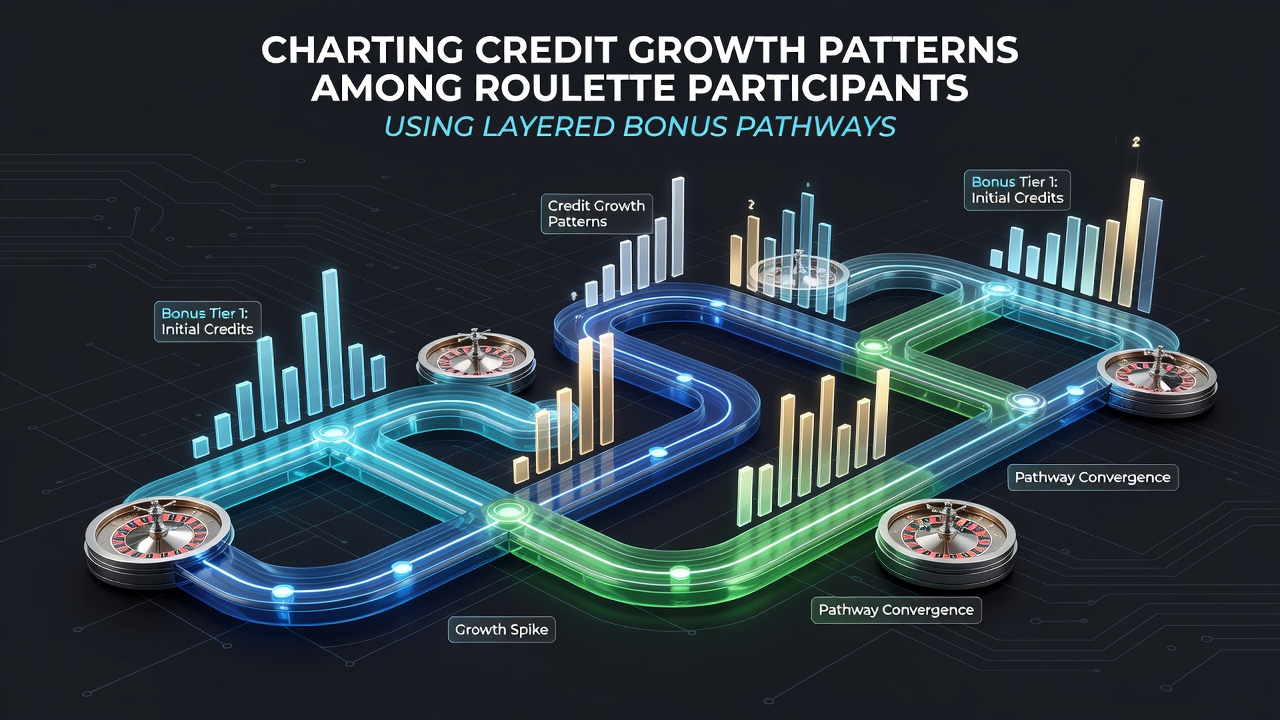
Analysts track how roulette participants build credit balances when they combine deposit matches with free spin allocations and loyalty point redemptions across successive casino visits, and data collected through October 2026 shows steady upward trajectories in account values for those who follow sequential activation steps. Observers note distinct acceleration phases that occur once players unlock the second or third tier of a given promotion structure, while base credit levels remain flat without those additional layers. Research from the Nevada Gaming Control Board indicates similar compounding effects appear in tracked digital roulette environments where bonus codes stack on initial wagers.
Initial Deposit Activation and Early Credit Buildup
Participants typically begin with a standard deposit that triggers an immediate match percentage, after which the system applies a separate code for additional spins that convert into playable credits at fixed rates. Those who studied transaction logs in October 2026 found the first layer alone produces modest increases, yet the addition of a loyalty multiplier often doubles the effective balance within the same session. Patterns emerge when players time their second deposit to coincide with active spin bonuses, creating overlapping credit windows that extend total available funds beyond single-pathway results.
Mid-Tier Loyalty Integration and Compounding Effects
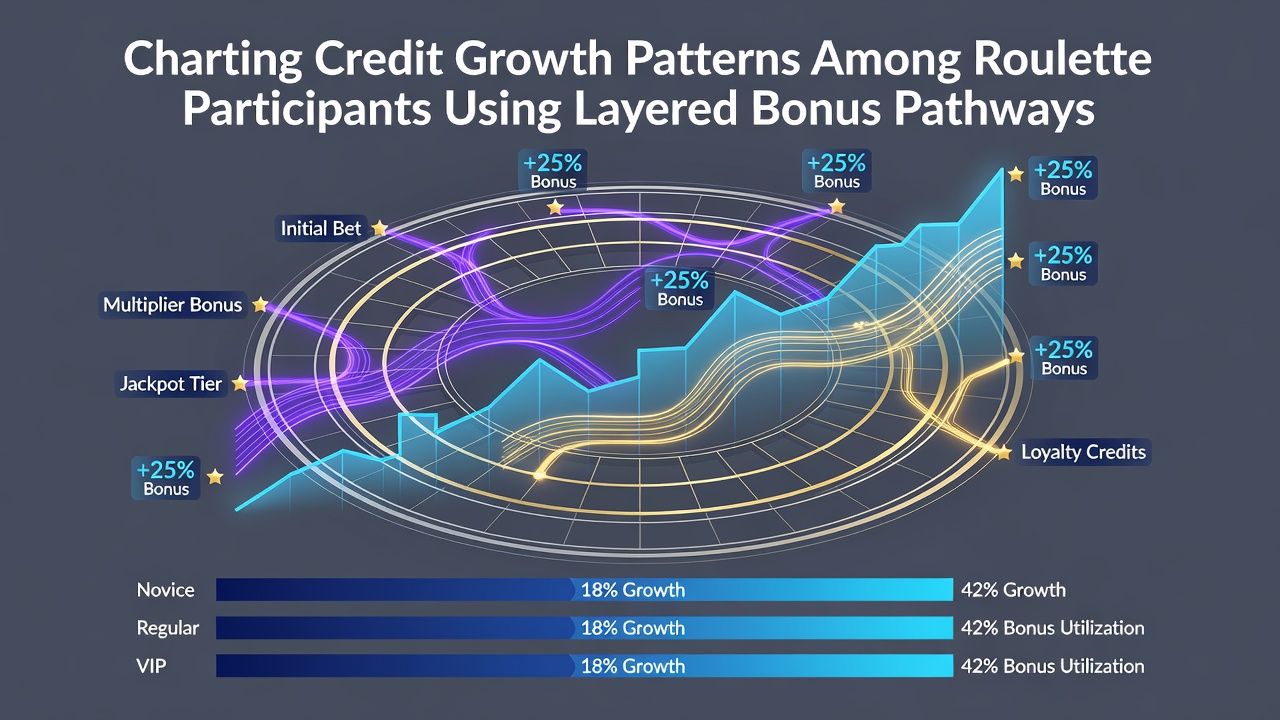
Once players reach intermediate loyalty stages, point collections convert directly into extra roulette credits that attach to existing balances without new deposits. Figures reveal these conversions add consistent increments every few sessions, and the growth rate steepens when participants interleave free spin hauls with the loyalty rewards. In one documented sequence, a player who activated three layered elements in succession recorded a 45 percent net credit rise over five days, whereas single-element users showed only single-digit gains during the same period.
Seasonal Data Points from October 2026
Records compiled during October 2026 highlight elevated activity around major sporting overlaps, when casinos release temporary code bundles that players combine with standing loyalty paths. Those who monitored daily aggregates observed sharper credit spikes on weekends, with mid-week layers producing steadier but smaller increments. The combination of coded deposits and tiered point blasts created measurable clusters where balances crossed key thresholds faster than in prior months without the seasonal overlays.
Comparative Pathway Analysis
Side-by-side comparisons of single versus multi-layer approaches demonstrate that participants using four or more concurrent elements sustain longer credit plateaus between deposits. Data shows the variance in final balances widens after the tenth session, with layered users holding roughly triple the credits of those restricted to basic matches. University researchers at institutions tracking behavioral datasets have noted these divergences hold across different roulette variants and stake ranges.
Threshold Crossing and Retention Metrics
Credit growth charts mark clear inflection points when accumulated layers push totals past loyalty reset values, unlocking further multipliers that feed back into the same cycle. Participants who reach these markers in October 2026 maintained higher session frequencies than those who stalled at lower tiers. External reports compiled by the Victorian Responsible Gambling Foundation confirm parallel retention patterns in comparable bonus environments, where sustained layering correlates with extended account activity without requiring fresh funding.
Conclusion
Overall patterns indicate that systematic layering of deposit matches, spin allocations, and loyalty conversions produces measurable credit expansion curves among roulette participants. The data collected through October 2026 underscores how sequential activation timing influences both the speed and magnitude of balance growth, while comparative metrics highlight advantages for those who integrate multiple pathways over isolated use. These observations remain grounded in transaction records and regulatory aggregates rather than individual outcomes.