Roulette Reward Programs Expand Globally as Operators Introduce New Incentive Structures in 2026
Written by Jordan Vogel · Sep 27, 2026

Roulette Reward Programs Expand Globally as Operators Introduce New Incentive Structures in 2026
Operators across multiple regions have rolled out expanded roulette reward programs that tie player activity directly to tiered point systems and redemption options, with data from industry reports showing consistent growth in participation rates through the first half of 2026. These programs track spins on both virtual and live dealer tables, converting outcomes into credits that unlock deposit matches or additional play time, while regulatory bodies in various jurisdictions monitor compliance with local rules on promotions.
Core Mechanics Behind Current Reward Structures
Players accumulate points based on wager volume and game frequency, then exchange those points through integrated casino platforms for benefits that range from cashback percentages to exclusive tournament entries. Systems often apply multipliers during peak hours or specific game types, creating layered earning rates that encourage sustained engagement without altering core roulette probabilities. Data from market analyses indicate average point redemption rates have climbed steadily since early 2025, driven by mobile app integrations that display real-time balances and upcoming tier thresholds.
One notable development involves automated tracking that syncs across multiple operator sites through shared loyalty networks, allowing participants to maintain progress even when switching platforms. This approach reduces fragmentation and supports longer retention periods, according to figures released by research firms tracking European and North American markets.
Regional Variations in Implementation
European operators tend to emphasize loyalty ladders that unlock higher cashback tiers after reaching defined point milestones, whereas North American platforms frequently pair roulette rewards with seasonal events tied to major sporting calendars. Australian regulators have required clearer disclosure of point expiry dates and redemption values, prompting several providers to standardize terms across their offerings. In September 2026, several international operators plan synchronized launches of cross-border reward pilots that test unified point currencies accepted at partner sites in multiple countries.
These pilots draw on frameworks developed by groups such as the National Council on Problem Gambling, which publishes guidelines for transparent bonus structures. Meanwhile, Canadian provincial authorities continue to refine rules around reward advertising to ensure promotions do not overstate expected player returns.
Data Trends and Participation Patterns
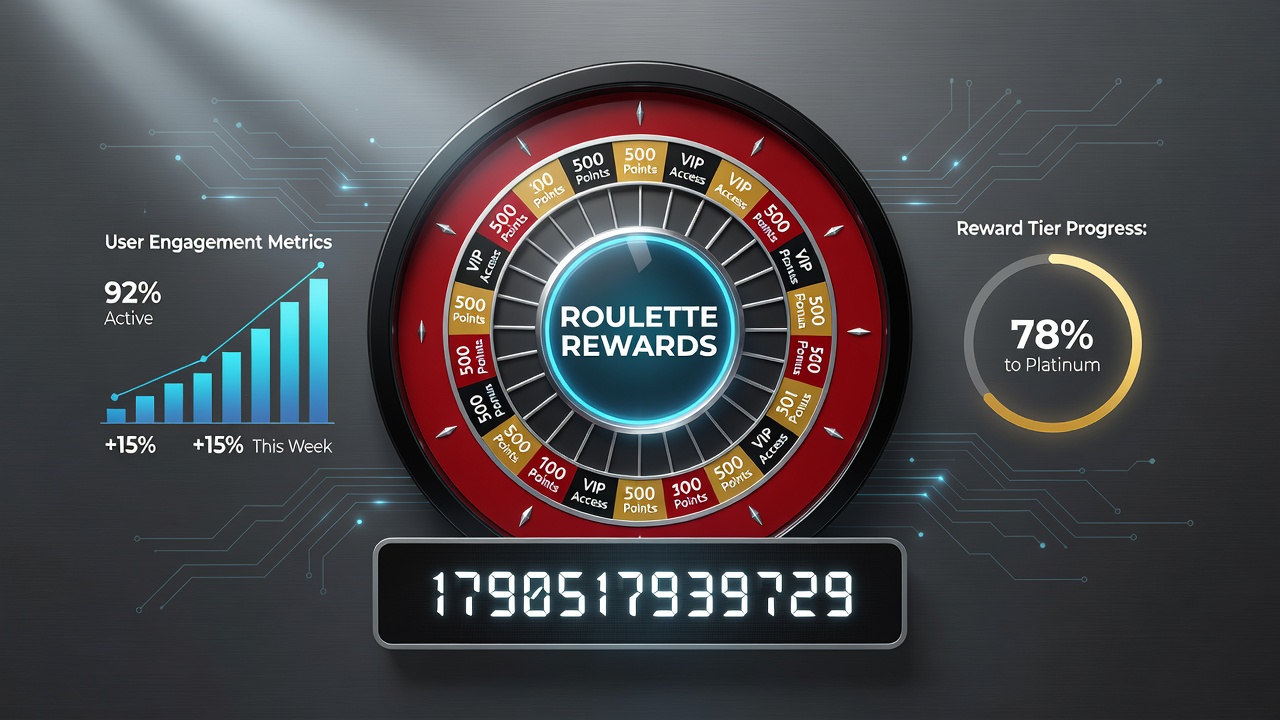
Industry trackers report that roulette-specific reward redemptions accounted for roughly 22 percent of all bonus activity in tracked markets during the second quarter of 2026, up from 18 percent the prior year. Mobile sessions contribute disproportionately to point accumulation, with users completing an average of 47 percent more spins per session when reward progress bars appear on screen. Observers note that tier advancement often correlates with increased session length, though overall house edge remains unchanged by the presence of these incentives.
Academic studies from institutions such as the University of Nevada, Reno have examined how reward visibility influences decision-making patterns, finding measurable differences in play duration when participants receive immediate feedback on earned credits. These findings align with broader data compiled by the International Association of Gaming Regulators, which aggregates anonymized metrics from member jurisdictions worldwide.
Future Adjustments Scheduled for Late 2026
Operators have announced plans to introduce dynamic point multipliers linked to game volatility levels, allowing higher-risk variants to award accelerated earnings during designated promotional windows. Testing begins in select markets during September 2026, with full rollout targeted for early 2027 pending regulatory review. Additional features under consideration include social sharing components that grant bonus points when players refer active participants, though these remain subject to approval in most regions.
Stakeholder meetings scheduled throughout the autumn will review preliminary results from the cross-border pilots and assess whether uniform disclosure standards can reduce confusion around point valuation across different currencies and operators.
Conclusion
Roulette reward programs continue to evolve through incremental technical updates and regulatory refinements, with participation metrics reflecting steady integration into standard player experiences. The September 2026 pilot programs represent one step in ongoing efforts to standardize cross-platform tracking while maintaining compliance with diverse regional requirements. Continued data collection from multiple sources will shape subsequent adjustments to point structures and redemption options in the coming year.